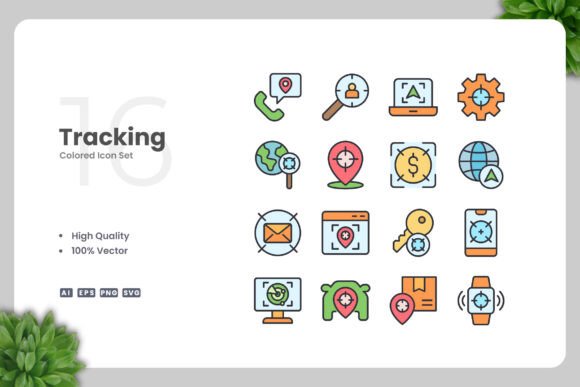
Tracking Colored Icons
As an embroidery designer and product reviewer, I often look for designs that are both functional and versatile. Tracking Colored Icons fits that bill with its simple yet effective style. The design is clean, modern, and adaptable, making it a strong candidate for a wide range of embroidery projects. Whether you're working on custom apparel, personalized gifts, or small business merchandise, this set offers a professional edge without overwhelming the eye.
First Impressions: A Design That Speaks Clearly
The first thing that stands out about Tracking Colored Icons is its clarity. The shapes are well-defined, and the layout feels intentional. Each icon has a distinct personality, but they all work together cohesively. The color options are straightforward, allowing for easy customization to match different fabrics and themes. This makes it ideal for use in both digital and physical formats, whether as a printable mockup or an actual embroidered piece.
The design’s simplicity also means it can be scaled up or down without losing its visual integrity. That’s a big plus when working with different hoop sizes or fabric types. It doesn’t rely on excessive detail, which helps maintain stitch clarity, especially on smaller or more delicate items.
Real-World Use: From Tote Bags to Holiday Gifts
I recently used Tracking Colored Icons on a custom tote bag design for a client who wanted something modern and professional. The icons looked great on a light-colored cotton fabric, and the colors were vibrant without being too flashy. They added a touch of sophistication that matched the client’s brand aesthetic perfectly.
For baby items, like onesies or blankets, the design worked well too. The clean lines made it easy to read, even on stretchy or textured fabrics. I found that using a stabilizer helped keep the design from distorting during stitching, especially on thinner materials.
When I tried the same design on a dark fabric, the contrast was still good, but I had to adjust the thread colors to ensure visibility. This shows how important it is to test the design on different backgrounds before committing to a final project.
Where to Be Careful: Limitations and Considerations
While Tracking Colored Icons is versatile, there are some situations where it might not perform as well. On small hoop sizes, the design can feel cramped, especially if you’re trying to add intricate details. For these cases, it’s better to simplify the design or use a larger hoop.
On textured or stretchy fabrics, the stitching can sometimes look uneven. This isn’t a flaw in the design itself, but rather a challenge that comes with the material. Using the right stabilizer and adjusting the stitch density can help mitigate this issue.
For projects that require frequent washing, such as kitchen towels or aprons, the design holds up well, but I recommend using high-quality threads and ensuring proper stabilization to prevent pilling or fading over time.
Impact on Visual Appeal and Customer Perception
Tracking Colored Icons adds a polished look to any finished product. Whether it's a sweatshirt, a patch, or a printable mockup, the design elevates the overall appearance. Customers tend to notice the quality of the embroidery, and a well-executed design like this can increase perceived value and build trust in your brand.
For handmade products, the design’s simplicity allows for a clean, professional finish without overwhelming the item. This is especially important for Etsy sellers and craft business owners who want their products to stand out while maintaining a cohesive aesthetic.
When used in commercial embroidery projects, the design’s adaptability makes it a reliable choice. It works well for both personal and commercial use, provided the licensing terms allow for it. Always double-check the license before selling finished items or digital products.
Practical Tips for Embroidery Designers
Before jumping into a full project, I always recommend testing the design on scrap fabric. This helps identify any potential issues with stitch density, thread color contrast, or fabric compatibility. It’s also a good idea to review the design in black and white to see how it looks without color, which can be useful for mockups or low-color environments.
When working with curved surfaces like caps or hoods, pay attention to how the design wraps around the shape. Some designs may need slight adjustments to fit properly. For detailed corners or tiny lettering, make sure the design is optimized for those areas to avoid distortion.
Lastly, always confirm the hoop size required for the design. If it’s too large for your machine, consider simplifying the design or using a different file. Proper planning can save time and prevent frustration down the line.
Final Thoughts: A Reliable Choice for Creative Entrepreneurs
Tracking Colored Icons is a solid addition to any embroidery designer’s toolkit. Its clean, modern look makes it suitable for a wide range of projects, from custom apparel to holiday gifts. It’s especially valuable for small shop products, Etsy listings, and craft fair items where visual appeal and professionalism matter.
Whether you're an experienced embroiderer or just starting out, this design offers flexibility and reliability. Just remember to test it thoroughly, adjust for fabric type and hoop size, and ensure it aligns with your project’s goals. With the right approach, Tracking Colored Icons can become a go-to asset for your embroidery projects.